
Automatic Side Seal Shrink Wrapping Machines
Continuous shrink wrapping solutions for long products, high-speed production lines, and professional POF film packaging.
Choosing the right automatic side seal shrink wrapping machine requires more than comparing machine specifications. Product dimensions, packaging speed, shrink film compatibility, automation requirements, and future production needs all play an important role in selecting the right solution.
This comprehensive resource center explains how automatic side sealers work, when they are the right choice compared with other shrink wrapping systems, and how to select the most suitable machine configuration for different packaging applications.
From long products such as aluminum profiles and furniture components to high-volume retail goods and cartons, this guide provides practical information on machine selection, packaging applications, technical considerations, and common challenges to help procurement teams, engineers, and production managers make confident decisions.
Not sure whether a side sealer is the right solution? Visit our Автоматические термоусадочные упаковочные машины guide to compare different shrink wrapping technologies and find the most suitable system for your products.
1.Core Capabilities & Machine Range
Core Capabilities
✓ Suitable for long products beyond traditional L-bar sealing limits
✓Continuous side sealing for efficient packaging operations
✓Compatible with POF shrink film applications
Machine Range
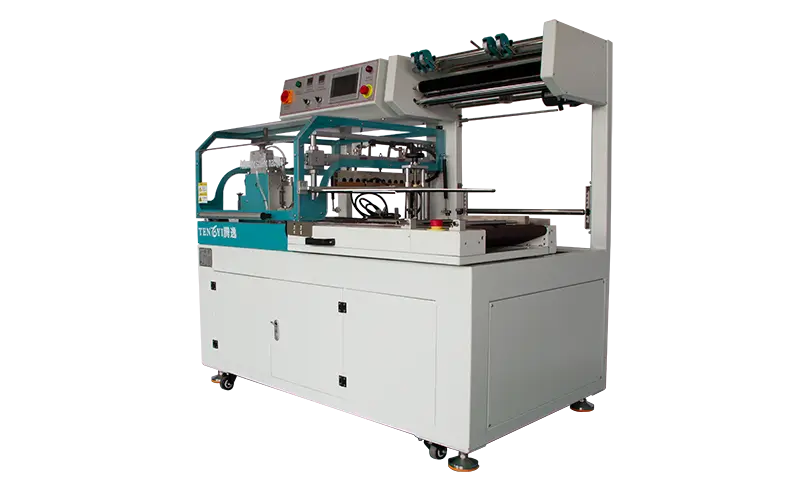
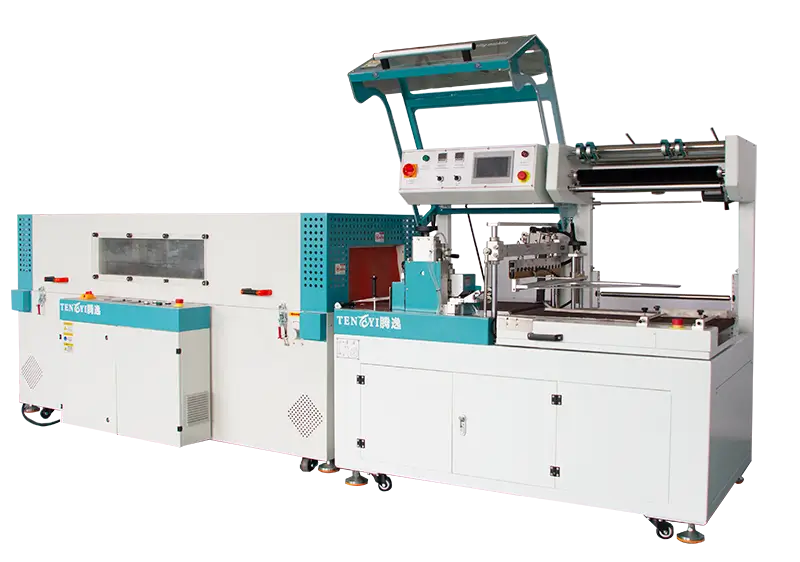
TY-350T (Servo/Long Profiles) | TY-500T (Versatile Medium-Speed) | TY-600T (Large Capacity).
2.Side Sealer vs L-Bar Sealer: How to Choose the Right Shrink Wrapping System
Both automatic side sealers and L-bar sealers are proven shrink wrapping solutions. They are complementary technologies designed for different packaging requirements. The right choice depends mainly on product dimensions, packaging appearance requirements, and application needs.
Choose an Automatic Side Sealer When:
✓ Your Products Are Long or Exceed Standard L-Bar Sealing Dimensions
Automatic side sealers are designed for applications where product length becomes a limitation for traditional L-bar sealing systems.
Typical applications include:
- Aluminum profiles
- Flooring panels
- Furniture components
- Long cartons
- Other elongated products
The continuous side sealing structure allows these products to be wrapped efficiently without being restricted by a fixed L-bar sealing chamber.
Choose an Automatic L-Bar Sealer When:
✓ Packaging Appearance and Sealing Precision Are Critical
Automatic L-bar sealers are often preferred for products where appearance quality is a key requirement.
They are commonly used for:
- Electronics
- Косметика
- Premium retail products
- Small cartons
The L-bar sealing method can provide precise sealing lines and a clean package appearance, making it suitable for products where presentation quality is important.
| Side Sealer | L-Bar Sealer | |
|---|---|---|
| Лучше всего подходит для | Long products or products beyond standard sealing dimensions | Standard-size products with high appearance requirements |
| Key Advantage | Handles longer product lengths efficiently | Provides precise sealing and cleaner package appearance |
| Common Applications | Aluminum profiles, flooring panels, furniture components | Electronics, cosmetics, premium retail products |
3. Why Long Product Capability Matters (The Side Seal Advantage)
A key limitation of L-bar sealing systems is the fixed sealing area of the sealing frame. When products exceed the practical sealing dimensions, packaging longer items becomes more challenging.
Automatic side sealers use a different sealing structure, creating the longitudinal seal continuously as the product moves through the machine. This makes them a preferred solution for long products such as architectural trims, pipes, flooring panels, and furniture components.

Looking for a broader comparison of industrial shrink wrapping equipment? Visit our Автоматические термоусадочные упаковочные машины overview to compare different machine types and find the best solution for your packaging application.
4. Main Product Applications
Side sealers are widely used for long aluminum profiles, extrusions, and architectural trims. The continuous sealing design allows extended-length products to be wrapped without intermediate cross seals, creating a cleaner package appearance.
Side sealers provide an efficient wrapping solution for long construction materials and building components. The continuous sealing system helps package products that exceed the limitations of traditional fixed-size sealing methods.
Side sealers are suitable for flooring products and decorative profiles where packaging appearance is important. Combined with POF shrink film, they provide clear and consistent wrapping for long finished products.
Side sealers are designed for large flat products such as furniture panels and cabinet components. The system provides stable packaging performance for products with different sizes and lengths.
Side sealers offer a flexible packaging solution for long industrial components and finished products. The continuous sealing process helps achieve efficient wrapping without being limited by conventional sealing dimensions.
Side sealers can also be applied to various long and oversized products requiring continuous POF wrapping. The flexible design makes them suitable for customized industrial packaging applications.
5.Automatic Side Sealer Models
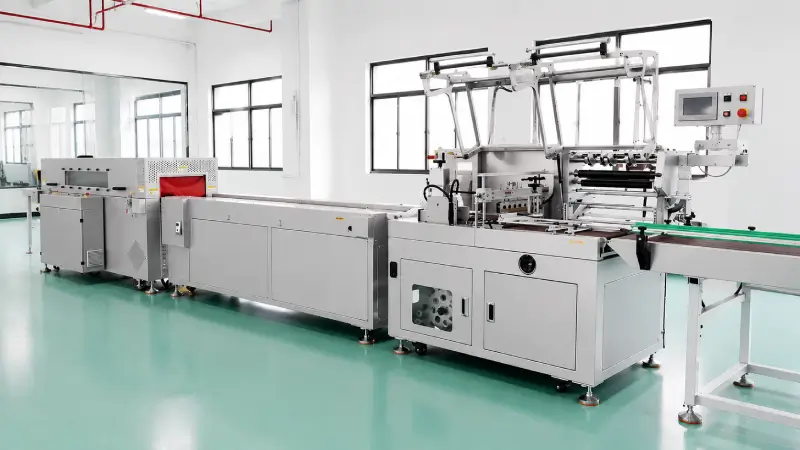
Our side sealer range includes three standard platforms with different sealing width capacities. Each machine can be customized according to product dimensions, packaging speed, automation requirements, and specific production needs.
Скорость упаковки
The system can be configured according to product size, packaging requirements, and production speed targets. Pneumatic or servo-driven options are available to meet different operating requirements.
Система управления
PLC and HMI configurations are available based on customer requirements, with options including Siemens, Panasonic, Inovance, Mitsubishi, and other brands to meet different market and application needs.
Электрические компоненты
Component brands can be selected according to market requirements and customer preferences, with options including internationally recognized brands such as Schneider, Omron, and other leading suppliers.
Find the Right Side Sealer for Your Product
Share your product dimensions, packaging requirements, and expected output. Our engineers will recommend the suitable machine configuration for your application.
Not sure if a Side Sealer is the right solution?
Compare all shrink wrapping machines →
6. Recommended Heat Shrink Tunnel
A side sealer completes the film sealing process, while the heat shrink tunnel provides the controlled heating required to achieve a tight and uniform shrink-wrapped package. Together, they form a complete automatic shrink wrapping solution for long products and industrial applications.

TY-5030 Industrial Electric Heat Shrink Tunnel
Overview: Designed for medium-to-high-volume production environments with an extended 1880 mm inner tunnel length and an 18 kW power system.
Key Specs: Features an Omron digital PID controller, a powerful 1500W centrifugal fan, and a 20 kg weight capacity conveyor.
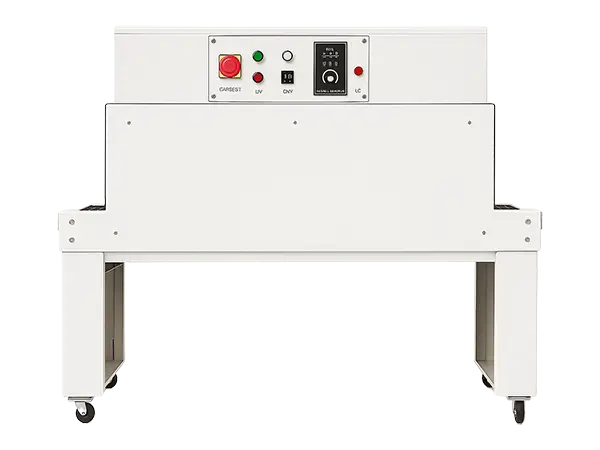
TY-4525 Industrial Heat Shrink Tunnel
Overview: A compact, high-performance heat shrink tunnel featuring a 450 × 250 mm tunnel opening, optimized for continuous small-to-medium product packaging.
Key Specs: Equipped with 12 stainless steel heating tubes (1 kW each) for rapid thermal recovery, a precise digital PID controller, and variable-speed silicone roller conveyors.
7. Explore Other Automatic Shrink Wrapping Solutions
Not every application requires a side sealer. Depending on your product size, packaging style, and production requirements, another shrink wrapping system may be a better fit.
Explore our complete Automatic Shrink Wrap Machines guide to compare:
Automatic L-Bar Sealers
Sleeve Wrappers
Термоусадочные тоннели
Паровые термоусадочные туннели
8. FAQs
Buying & Strategy
What is the main advantage of a side sealer over an L-bar sealer?
Side sealers are designed for long products that exceed the sealing limitations of traditional L-bar machines. Their continuous sealing system allows extended-length products to be wrapped without intermediate cross seals.
Can it integrate into my existing production line?
Yes. The side sealer can be integrated into existing production lines with customized configurations based on your production process, product handling requirements, and automation level.
How long is the warranty?
The machine comes with a one-year limited warranty. The warranty covers manufacturing defects and excludes normal wear parts and consumable components.
What are the power requirements?
The standard power requirement is 220V single-phase, 50Hz.
Technical & Maintenance
Does it need compressed air?
Yes. The machine requires a stable compressed air supply at 5–7 bar for pneumatic components.
What is the air consumption?
Very low, approx. 37 NL/min (about 2–4% of a standard compressor).
How often should the sealing blade be cleaned?
The sealing blade should be cleaned regularly to remove film residue and maintain sealing performance. For continuous production, daily cleaning is recommended according to operating conditions.
Can I adjust the sealing height?
Yes. The sealing position can be adjusted to match different product thicknesses. Manual handwheel adjustment is available as standard, with PLC-based adjustment available for selected models and customized configurations.
Application & Film
What type of film does the side sealer use?
POF (polyolefin) film is commonly used for side sealing applications. The final film selection depends on product size, packaging requirements, and the desired appearance of the finished package.
What is the maximum product height?
The maximum product height depends on the machine configuration and product requirements. The sealing position and machine setup can be adjusted according to product dimensions. Our engineers will recommend the suitable configuration based on your product size.
Does it support printed film?
Yes. Printed film applications can be supported with customized configurations, including registration mark detection and control adjustments according to film requirements.
9. The Troubleshooting Master List (15+ Items)
Common operating issues and recommended solutions based on our technical manuals and production experience.
| Symptom | Probable Cause | Expert Solution |
|---|---|---|
| Film Not Cutting | Air pressure < 5kg/cm² or dirty blade. | Ensure stable 5-7 bar air supply; clean blade with cotton cloth. |
| Film "Snaking" | Improper Triangle Board angle. | Adjust expansion angle to match product height. |
| Broken Seal | Sealing temp too low or time too short. | Increase PID temp or adjust seal timer (common 300ms). |
| Blade Smoking | Residual film on PTFE coating. | Clean blade while warm (>70°C); avoid metal scrapers. |
| Waste Film Break | Rewind motor tension or sensor misalignment. | Tighten rewind wheel nut or realign Omron waste sensor. |
| "Product Under Blade" Alarm | Product didn't clear the vertical photo-eye. | Increase "Rear Margin" time in PLC. |
| Film Tension Issues | Film roll not centered on rollers. | Align roll so it overlaps triangle board by 1/2 product height. |
| Wrinkled Packaging | Tunnel temp too low or belt too fast. | Harmonize sealer belt speed with tunnel air circulation. |
| Misaligned Seal | Handwheel height setting incorrect. | Align seal center to 1/2 (or slightly above) product height. |
| Static Build-up | Lack of grounding or static bar issues. | Ensure 220V grounding is secure; check static bars. |